I’m so excited to share a new project I just launched through DonorsChoose—a platform that helps teachers like me bring much-needed resources into the classroom. This time, I’m asking for something truly special: hands-on STEM tools that will spark creativity, build confidence, and give my students the chance to explore science and engineering in action.
What We’re Hoping to Get
The project includes:
Snap Circuits, to help students understand how electricity flows and circuits connect
Ozobot robots, to introduce coding and problem-solving in a fun, interactive way
KEVA planks, to encourage creativity and collaboration through open-ended engineering tasks
STEM challenge cards, to guide critical thinking, teamwork, and experimentation
And a hand2mind Makerspace & STEM Lab Cart, so we can store and organize all these amazing tools in one mobile, student-friendly space
Why It Matters
My students are full of questions, imagination, and big ideas. But without the right materials, we’re limited in how deeply we can explore STEM. These resources will bring abstract concepts to life and allow students to learn by doing. More importantly, they’ll help students see themselves as scientists, engineers, coders, and creators.
Many of my students don’t have access to these kinds of materials outside of school. By supporting this project, you’re helping ensure every child—regardless of background—has the opportunity to engage in high-quality, hands-on learning.
How You Can Help
If you’d like to support our classroom, you can visit the link below to learn more or donate. Every contribution, no matter how small, helps us get one step closer to creating a dynamic STEM space for our students.
Day 1: Introduction to Martin Luther King Jr. and STEM Activities
Objective:
Understand who Martin Luther King Jr. was and his contributions to society.
Explore STEM activities related to King's mission of equality and peace.
Subjects:
Social Studies: Martin Luther King Jr.'s life and legacy
Math: Measurement (length, height)
Science: The concept of equality and fairness in nature
Activities:
Read Aloud: Martin's Big Words by Doreen Rappaport
Discuss the important themes: equality, fairness, and the Civil Rights Movement.
STEM Activity: "Equality in Nature" – Investigate how animals and plants can exhibit fairness, such as how certain species share resources or how ecosystems balance themselves.
Students can build simple models of balance (using equal amounts of materials to make something sturdy).
Measure the height/length of various objects, ensuring symmetry and balance in the design.
Worksheet:
Math: Measurement worksheet (measure and compare lengths of different objects)
Science: Write about the balance in nature, asking students to identify examples of fairness or equality in the environment.
Day 2: The Importance of Martin Luther King Jr.'s Speech
Objective:
Understand the significance of Martin Luther King Jr.’s speeches and their impact on the Civil Rights Movement.
Connect speech and communication to math and science.
Subjects:
Social Studies: King's speeches and their role in the Civil Rights Movement
Math: Patterns and sequencing
Reading: Identifying key ideas in a speech
Activities:
Read Aloud: I Have a Dream by Martin Luther King Jr. (a simplified version for children).
Math: Create a sequence of events in Martin Luther King Jr.’s life, using patterns (number patterns, shapes, or sequential ordering).
Science: Explore sound waves – Explain how MLK’s speeches were powerful because of how sound waves can influence emotions and thoughts.
Simple sound wave experiment with tuning forks or a rubber band to show vibrations.
Worksheet:
Reading: Comprehension questions about the speech I Have a Dream (example: What were MLK’s dreams for the future?).
Math: Sequence worksheet, where students put key events in Martin Luther King Jr.'s life in order, using patterns (e.g., a pattern of colors or shapes for each event).
Day 3: Understanding Equality in Society and Nature
Objective:
Discuss the concept of equality and fairness in society and nature.
Introduce simple data collection and graphing.
Subjects:
Social Studies: The role of Martin Luther King Jr. in advocating for equality.
Math: Data collection and graphing
Science: Exploring symmetry and balance in nature
Activities:
Read Aloud: The Story of Martin Luther King Jr. by Johnny Ray Moore
Discuss MLK’s role in changing laws to make life more equal for all people.
Math: Data collection exercise – Students will survey their classmates to gather data about various equality-related themes (favorite books, colors, etc.).
Science: Symmetry in nature – Look for natural examples of symmetry in plants and animals (e.g., leaves, butterflies). Students will sketch what they find and compare it to symmetry in math.
Worksheet:
Math: Graphing worksheet (students create a bar graph to represent the class survey results).
Science: Symmetry worksheet where students draw and label symmetric objects in nature.
Day 4: The Power of Peace and Nonviolence
Objective:
Discuss how Martin Luther King Jr. used nonviolence to bring about change.
Introduce basic principles of peaceful conflict resolution.
Subjects:
Social Studies: Nonviolent protests and their effectiveness.
Math: Problem-solving (addition and subtraction)
Science: Exploring peaceful environments and ecosystems that thrive in harmony.
Activities:
Read Aloud: Peaceful Protest by Robin Nelson
Discuss MLK’s approach to nonviolence and how it affected his followers.
Math: Problem-solving activity where students use addition and subtraction to solve word problems based on peaceful outcomes (e.g., “If 10 people were protesting for peace and 5 joined them, how many people are there now?”).
Science: Explore peaceful ecosystems and how they maintain balance (e.g., a coral reef or a forest). Discuss the harmony between species.
Worksheet:
Math: Problem-solving worksheet (addition and subtraction word problems).
Science: Simple ecosystem worksheet where students draw a peaceful ecosystem and identify the plants and animals in it.
Day 5: Martin Luther King Jr. and Legacy
Objective:
Reflect on Martin Luther King Jr.’s legacy and how his work impacts us today.
Discuss how we can continue his dream.
Subjects:
Social Studies: MLK’s legacy
Math: Simple multiplication and division (grouping and equal sharing)
Reading: Reflection on what students have learned about MLK
Activities:
Read Aloud: Martin’s Big Words or another biography of MLK.
Discuss MLK’s legacy of peace, equality, and justice.
Math: Division – Students divide a set of objects into equal groups to reflect the concept of fairness and equality.
Science: Simple project where students research and create a poster or model of a peaceful ecosystem or environment, symbolizing MLK’s dream of peace and equality.
Worksheet:
Math: Division worksheet (equally divide sets of objects).
Social Studies: Reflection worksheet where students write about how they can continue Martin Luther King Jr.'s dream of equality and peace.
Assessment and Evaluation:
Comprehension: Evaluate students’ understanding of MLK’s life and work through comprehension questions during read-aloud sessions and discussion.
STEM: Assess students’ participation and understanding of STEM activities. Were they able to create balance models? Did they grasp symmetry in nature?
Math: Check for understanding in math worksheets (measurements, sequencing, addition, subtraction, multiplication, and division).
Reflection: At the end of the week, have a class discussion on how students can promote equality and peace in their community, using what they have learned about Martin Luther King Jr.
Fear is a natural emotion that can sometimes hold us back from trying new things or facing challenges. Teaching students how to overcome fear helps them build confidence, resilience, and the courage to face new experiences. By providing strategies and support, you can empower students to tackle their fears and grow from their experiences. Here’s a friendly guide to helping students overcome fear and build bravery in your classroom.
1. Define Fear and Its Impact
Start by explaining what fear is and how it can affect us. Help students understand that fear is a common emotion that everyone experiences, and it’s okay to feel afraid.
Example Explanation:
"Fear is a feeling we all have when we’re worried about something that might happen. It’s natural to feel afraid sometimes, but we can learn ways to face our fears and not let them stop us from trying new things."
2. Discuss the Importance of Facing Fears
Help students understand why it’s important to face and overcome their fears. Explain how doing so can lead to personal growth, new experiences, and increased confidence.
Example Discussion:
"Facing our fears helps us grow and become braver. When we try things that scare us, we learn new skills and gain confidence. It’s a way to show ourselves that we’re stronger than we might think."
3. Share Stories of Overcoming Fear
Share stories of famous figures or personal anecdotes that demonstrate how overcoming fear can lead to success. Use these examples to show that everyone faces fears and that overcoming them is possible.
Example Story:
"Think about how Neil Armstrong was afraid of the unknown when he went to space. By facing his fears and preparing carefully, he achieved something incredible. His bravery shows us that we can overcome our fears and achieve great things."
4. Create a Safe and Supportive Environment
Foster a classroom environment where students feel safe to express their fears and seek support. Encourage a culture of empathy and understanding, where students can share their concerns without judgment.
Example Approach:
"Let’s create a space where everyone feels comfortable talking about their fears. If you’re feeling scared about something, it’s okay to share it with us. We’re here to support each other and help each other grow."
5. Teach Strategies for Facing Fears
Provide students with practical strategies for overcoming fear. These might include deep breathing, positive self-talk, and gradual exposure to the things that scare them.
Example Strategies:
Deep Breathing: "When you feel scared, try taking deep breaths to help calm yourself down. Inhale slowly through your nose, hold it for a few seconds, and then exhale slowly through your mouth."
Positive Self-Talk: "Tell yourself positive things, like 'I can do this' or 'I’m brave.' Positive self-talk helps us feel more confident and less afraid."
Gradual Exposure: "Try facing your fear step by step. Start with something small and gradually work your way up to bigger challenges."
BOOK LIST:
Fear Not!: How to Face Your Fear and Anxiety Head-On
Fear Not! is an insightful and empowering guide for anyone struggling with fear and anxiety. The author offers practical strategies and relatable anecdotes that encourage readers to confront their fears rather than avoid them. The book is divided into approachable sections, each addressing different aspects of fear and anxiety, from understanding their roots to developing coping mechanisms.
Greta and the Dark Cloud Greta and the Dark Cloud is a beautifully illustrated children's book that tackles the subject of emotions, particularly sadness and worry, in a gentle and relatable way. The story follows Greta, a young girl who is followed by a dark cloud representing her negative feelings. As Greta learns to understand her emotions, she discovers how to face them with courage and support from loved ones.
Engage students in role-playing activities where they practice facing and overcoming fears. Use these scenarios to help them develop strategies and build confidence.
Example Activity:
Fear-Facing Role-Play: "Create scenarios where students practice facing their fears, such as speaking in front of the class or trying a new activity. Discuss how they can handle the situation and use the strategies they’ve learned."
7. Encourage Reflection on Fearful Experiences
Encourage students to reflect on their experiences with fear. Discuss what they learned, how they felt, and what they might do differently next time.
Example Reflection:
"After facing a fear, think about what you learned from the experience. How did it feel to overcome your fear? What would you do differently next time? Reflecting helps us understand our progress and build confidence."
8. Celebrate Bravery and Progress
Acknowledge and celebrate students’ efforts to face their fears, regardless of the outcome. Focus on their bravery and the steps they took to overcome their fears.
Example Celebration:
"I’m proud of how you faced your fear of speaking in front of the class. Your bravery and effort are what really matter, and you did an amazing job. Keep up the great work!"
9. Involve Families in Supporting Courage
Share strategies with families for supporting their children in facing fears at home. Encourage them to provide opportunities for their children to practice bravery and to reinforce the importance of persistence and courage.
Tips for Families:
Provide Opportunities: "Give your children chances to face their fears in a safe and supportive environment. Encourage them to try new things and celebrate their efforts."
Discuss Fears: "Talk with your children about their fears and help them use strategies like deep breathing and positive self-talk. Reinforce the idea that it’s okay to be afraid and that bravery comes from facing those fears."
By teaching students how to overcome fear and build courage, you help them develop the confidence and resilience to tackle new challenges and pursue their goals. Facing fears is not just about overcoming obstacles; it’s about growing stronger and more capable through the experience.
For more ideas and resources on overcoming fear and other important character traits, visit my blog, Lanie’s Little Learners, where I share creative, hands-on activities that support active learning and character development. Let’s work together to create a classroom where bravery is celebrated and every student feels empowered to face their fears.
As the new school year dawns, we're filled with excitement and anticipation for the adventures ahead. There's a special kind of magic in these early days—the promise of new friendships, fresh discoveries, and countless opportunities to grow and learn.
Emphasizing Character Education
This year, we're putting a strong focus on character education. Building good character is as essential as academic learning. It's all about nurturing kindness, respect, responsibility, and empathy in our little learners. Here’s how we plan to weave character education into our daily classroom life:
1. Daily Acts of Kindness
Every day, we'll focus on a simple act of kindness. Whether it's sharing a smile, helping a friend, or saying "thank you," these small actions can make a big difference. We'll celebrate these acts in class, fostering a supportive and positive environment.
2. Classroom Discussions and Stories
We'll have regular discussions about what it means to be a good friend, a responsible student, and a caring person. Through stories and role-playing, students will learn about empathy and respect. Characters from our favorite books will serve as role models, illustrating valuable life lessons.
3. Weekly Character Traits
Each week, we’ll focus on a different character trait, such as honesty, perseverance, or compassion. Activities and lessons will be centered around these traits, helping students understand and embody them in their daily lives.
To all the parents, thank you for your continued support and for entrusting us with your children’s education. Your partnership is vital in helping us foster a nurturing and positive learning environment.
To my fellow educators, let’s embrace this school year with enthusiasm and creativity. By prioritizing character education, we are shaping not just smart students, but kind and responsible individuals.
Here’s to a fantastic year filled with learning, growth, and lots of kindness!
Interrupting can be a common issue in classrooms, but teaching students when and how to speak can greatly improve communication and respect. Helping students understand the importance of waiting their turn not only promotes a more orderly environment but also fosters mutual respect and effective listening. Here’s a friendly guide to teaching students about interrupting.
1. Explain Why Not Interrupting Matters
Start by explaining why it’s important to wait for their turn to speak. Help students understand that interrupting can be rude and disrespectful. Emphasize that waiting their turn shows respect for others and allows everyone to be heard.
Example Explanation: "When we wait for our turn to speak, we show respect to our friends and teachers. It helps everyone share their thoughts without feeling rushed or ignored."
2. Use Stories and Examples
Share stories and examples that highlight the importance of waiting for a turn to speak. Use literature, videos, or personal anecdotes to illustrate the impact of interrupting and the benefits of waiting.
Example Story: "Once, there was a student named Sam who always interrupted others. One day, Sam’s teacher asked the class how they felt about it. Sam learned that his classmates felt frustrated and unheard when he interrupted. After that, Sam practiced waiting his turn, and everyone felt much happier."
3. Teach Active Listening Skills
Active listening is crucial for preventing interruptions. Teach students to focus on the speaker, make eye contact, and nod to show they are listening. Practice these skills through activities like “Simon Says” or by listening to a story and discussing it afterward.
4. Introduce Visual Cues
Introduce visual cues that signal when it’s time to listen and when it’s okay to speak. Use a talking stick, a special object, or hand signals to indicate whose turn it is to speak. This helps students visually understand the importance of taking turns.
5. Role-Playing Activities
Use role-playing activities to practice waiting for a turn to speak. Create scenarios where students take turns talking and listening. This hands-on practice helps them experience the flow of conversation and the value of waiting.
BOOK LIST:
The Little Book of Patience
A heartwarming guide that explores the virtues and benefits of patience in everyday life. Through a series of inspiring anecdotes, practical tips, and mindfulness exercises, readers learn how to cultivate patience to enhance their personal well-being and relationships. The book emphasizes the importance of slowing down, embracing uncertainty, and finding peace amidst life's challenges. Perfect for anyone seeking to develop a calmer, more balanced approach to life's ups and downs, this book serves as a gentle reminder that patience is not just a virtue, but a pathway to a more fulfilling life. Buy on AMAZON at: The Little Book of Patience
Waiting Is Not Easy! is a delightful children's book by Mo Willems featuring the beloved characters Elephant and Piggie. When Piggie has a surprise for Gerald, the elephant, Gerald's excitement quickly turns to frustration as he realizes he must wait. Throughout the story, Gerald learns about the challenges and rewards of patience, guided by Piggie's unwavering optimism. With its engaging dialogue, expressive illustrations, and humorous storyline, this book offers young readers a valuable lesson in patience and the joy that often comes from waiting for something special.
Social Skills Activities for Kids: 50 Fun Exercises for Making Friends, Talking and Listening, and Understanding Social Rules
A practical guide designed to help children develop essential social skills. The book offers a variety of engaging activities and exercises aimed at teaching kids how to interact positively with others, communicate effectively, and understand social norms. Each activity is designed to be fun and easy to follow, making it ideal for parents, teachers, and counselors to use with children. By participating in these exercises, kids will build confidence, improve their social interactions, and learn important life skills that will help them navigate social situations with ease.
Freddie the Fly: Motormouth; A Story About Learning to Listen
An engaging children's book by Kimberly Delude that follows Freddie, a talkative fly who loves to chatter but struggles with listening to others. Through humorous situations and relatable experiences, Freddie learns the value of being a good listener. With the help of his friends and a wise teacher, Freddie discovers that listening is just as important as talking when it comes to communication and building friendships. This charming story offers young readers valuable lessons in empathy, patience, and the art of listening, making it a perfect resource for teaching social skills in an entertaining way.
A Dragon With His Mouth On Fire: Teach Your Dragon To Not Interrupt.
A charming children's book by Steve Herman that follows the adventures of a young dragon who struggles with interrupting others. Through delightful storytelling and captivating illustrations, the book teaches children the importance of patience and waiting their turn to speak. The dragon learns valuable lessons about respect, listening, and self-control, guided by his wise and understanding human friend. This entertaining and educational tale is perfect for helping young readers develop better communication skills and understand the social rules of polite conversation.
Teaching students to choose kindness is an essential aspect of character education. Kindness fosters a positive and supportive environment, encouraging empathy and respect among students. Here’s a friendly guide to help you teach the importance of choosing kindness in your classroom.
1. Explain What Kindness Means
Begin by explaining the concept of kindness. Help students understand that kindness involves being friendly, generous, and considerate towards others. Emphasize that small acts of kindness can make a big difference in someone’s day.
Example Explanation: "Kindness means being nice to others, helping them, and showing that you care. It can be as simple as a smile, a kind word, or helping someone in need."
2. Share Stories and Examples
Use stories and examples to illustrate the power of kindness. Share books, videos, or personal anecdotes that highlight acts of kindness and their positive impact. Discuss how these acts made a difference in the lives of others.
Example Story: "One day, a student noticed a classmate who was sad because they lost their favorite pencil. The student offered to share their own pencil, which made the classmate feel much better. This small act of kindness brightened their day."
3. Teach the Benefits of Kindness
Discuss the benefits of kindness, both for the giver and the receiver. Explain how kindness can improve mood, build friendships, and create a positive classroom atmosphere. Emphasize that kindness can lead to a chain reaction, inspiring others to be kind as well.
Example Discussion Points:
How do you feel when someone is kind to you?
How does it feel to be kind to others?
What changes do you notice in the classroom when everyone is kind?
4. Model Kindness
As a teacher, model kindness in your interactions with students and colleagues. Show how to be kind through your words and actions. Your behavior sets a powerful example for your students to follow.
5. Encourage Random Acts of Kindness
Promote random acts of kindness in the classroom. Encourage students to look for opportunities to be kind without expecting anything in return. Create a kindness challenge or a kindness jar where students can write down and share their acts of kindness.
Example Activity: "Each week, let's see how many acts of kindness we can do. Write down your kind acts and put them in our Kindness Jar. At the end of the week, we'll read them and celebrate our kindness!"
6. Use Role-Playing Activities
Role-playing activities help students practice kindness in different scenarios. Create situations where students can act out kind responses, such as comforting a friend, sharing supplies, or including someone in a game. This practice helps them feel more comfortable being kind in real-life situations.
BOOK LIST:
Kindness is My Superpower
Discover the magic of kindness with "Kindness is My Superpower," a heartwarming children's book that teaches young readers the importance of empathy, generosity, and compassion. Join Lucas as he learns that simple acts of kindness can make a big difference in the world. With colorful illustrations and relatable scenarios, this book encourages children to embrace their inner superheroes and spread kindness everywhere they go. Perfect for bedtime stories, classroom read-alouds, and sparking meaningful conversations about the power of being kind.
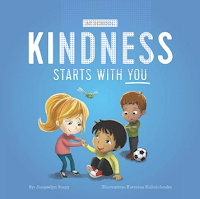
Join Chloe in "Kindness Starts With You - At School," a delightful children's book that illustrates how everyday actions can make school a happier place. Through engaging stories and vibrant illustrations, young readers learn the value of kindness, respect, and empathy in their interactions with classmates and teachers. Perfect for classroom read-alouds and discussions, this book empowers children to create a positive and inclusive school environment by showing that kindness truly starts with each one of them.
Join Pete the Cat in "Pete the Cat’s Groovy Guide to Kindness," where Pete shares his favorite tips and tricks for spreading kindness. With his laid-back, cool-cat style, Pete teaches young readers how to make the world a better place one kind act at a time. Filled with fun illustrations and groovy advice, this book is perfect for inspiring children to be kind and thoughtful in their daily lives. Whether it's helping a friend, sharing a smile, or saying a kind word, Pete shows that kindness is always in style.
In "Stand in My Shoes: Kids Learning about Empathy," young Emily discovers the importance of understanding and sharing the feelings of others. Through relatable stories and engaging illustrations, children learn how to put themselves in someone else's shoes and respond with kindness and compassion. This heartwarming book is an excellent tool for teaching empathy, encouraging kids to be more thoughtful and considerate in their interactions with friends, family, and classmates. Perfect for classroom discussions and bedtime reading, it helps build a more empathetic and caring world, one child at a time.
Integrate kindness into daily classroom routines. Start the day with a kindness pledge, have a kindness corner with inspirational quotes, or dedicate time each week to discuss ways to be kind. Regular reminders help reinforce the importance of kindness.
8. Celebrate Kindness
Acknowledge and celebrate acts of kindness in your classroom. Highlight students who go out of their way to be kind and recognize their efforts. Use specific praise to reinforce kind behavior.
Example: "Thank you, Mia, for helping your classmate pick up their books when they fell. Your kindness made their day better and showed great teamwork!"
9. Teach Empathy and Understanding
Empathy is closely linked to kindness. Teach students to put themselves in others' shoes and understand how they might feel. Use discussions, literature, and activities to help students develop empathy and recognize the importance of being kind.
10. Create a Kindness Contract
Develop a kindness contract as a class. Have students brainstorm ways to be kind and write them down in a collective agreement. Display the contract in the classroom as a reminder of their commitment to choosing kindness.
Example Kindness Contract:
We will use kind words and actions.
We will help others when they need it.
We will include everyone in activities.
We will listen and show respect to each other.
11. Involve Families in Promoting Kindness
Share your strategies for teaching kindness with families. Provide tips and resources for reinforcing these concepts at home. Consistent messaging between home and school helps students understand and practice kindness more effectively.
Tips for Families:
Encourage children to share kind acts they did or received each day.
Participate in family volunteer activities.
Model kind behavior in everyday interactions.
By teaching students to choose kindness, you help them develop essential social skills that will benefit them throughout their lives. Kindness fosters a positive and inclusive classroom environment, creating a community where everyone feels valued and respected.
Teaching students to take responsibility is a crucial part of character education. It helps them understand the impact of their actions, builds accountability, and fosters a sense of integrity. Here’s a friendly guide to help you teach the importance of taking responsibility in your classroom.
1. Explain What Taking Responsibility Means
Begin by explaining the concept of responsibility. Help students understand that taking responsibility means acknowledging their actions, accepting the consequences, and making an effort to correct their mistakes.
Example Explanation: "Taking responsibility means saying, 'I did this,' whether it's something good or a mistake. It's about being honest with ourselves and others, and trying to make things right if we've done something wrong."
2. Use Stories and Examples
Share stories and examples that illustrate the concept of taking responsibility. Use literature, historical figures, or personal anecdotes to show how taking responsibility can positively impact one's life and the lives of others.
Example Story: "Once, there was a student who forgot to do his homework. Instead of making excuses, he told his teacher the truth and promised to complete it the next day. His honesty earned him respect from his teacher and classmates."
Following directions is a fundamental skill that helps students succeed in the classroom and beyond. It promotes responsibility, respect, and effective communication. Here’s a friendly guide to help you teach the importance of following directions in your classroom.
1. Explain Why Following Directions Matters
Start by explaining to students why following directions is important. Help them understand that it ensures safety, promotes learning, and shows respect for others. Emphasize that following directions helps everyone work together smoothly.
Example Explanation: "Following directions is important because it helps us stay safe, learn new things, and show respect for our teachers and classmates. When we all follow directions, we can do fun activities and learn more effectively."
2. Teach Active Listening Skills
Active listening is a key component of following directions. Teach students to listen attentively by making eye contact, nodding, and not interrupting. Use activities like “Simon Says” or “Follow the Leader” to practice active listening in a fun and engaging way.
3. Provide Clear and Simple Instructions
When giving directions, be clear and concise. Use simple language that students can easily understand. Break down complex tasks into smaller, manageable steps. Check for understanding by asking students to repeat the directions back to you.
Example: Instead of saying, "Clean up your desk area and then line up at the door," break it down: "First, put all your crayons back in the box. Next, place your books in your cubby. Then, push your chair in and line up at the door."
4. Use Visual Aids and Demonstrations
Visual aids can help reinforce verbal directions. Use charts, diagrams, or written instructions to supplement your verbal directions. Demonstrate the task if possible, so students can see exactly what they need to do.
BOOK LIST:
That Rule Doesn't Apply to Me!
That Rule Doesn't Apply to Me! is a lively and educational children's book that addresses the importance of following rules and understanding their purpose. The story centers around a young girl named Noodle who feels frustrated by the many rules she encounters at home, at school, and in various other settings. She often thinks, "That rule doesn't apply to me!"
Through a series of humorous and relatable situations, Noodle learns why rules exist and how they help keep everyone safe, respectful, and organized. With guidance from her parents and teachers, Noodle begins to see the value in following rules and the positive impact it has on her life and the lives of those around her.
Julia Cook's engaging storytelling, paired with Anita DuFalla's colorful and expressive illustrations, makes That Rule Doesn't Apply to Me! an enjoyable and insightful read for young children. The book encourages kids to recognize the importance of rules and to develop a more cooperative and understanding attitude toward them, fostering a sense of responsibility and respect.
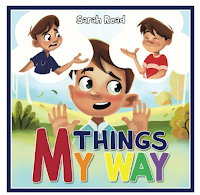
Things My Way is a compelling children's book that explores themes of perspective, empathy, and understanding. The story follows a young boy named Parker who is accustomed to doing things his own way and often struggles to see things from others' viewpoints.
One day, Parker encounters a series of situations where his friends and family challenge him to consider their perspectives and needs. Through these experiences, Parker learns that seeing things from others' points of view can lead to better cooperation, stronger friendships, and a more harmonious environment.
Elizabeth Meinert's insightful narrative and engaging illustrations make Things My Way a valuable resource for teaching children the importance of empathy and flexibility. The book encourages young readers to appreciate diverse perspectives, fostering social awareness and emotional growth.
What If Everybody Did That? is a thought-provoking children's book that highlights the consequences of seemingly small actions and the importance of personal responsibility. The story follows a young boy who engages in various behaviors, such as littering, speaking out of turn, and not following rules, thinking that his actions are inconsequential.
However, each time he does something wrong, an adult asks him, "What if everybody did that?" Through imaginative and humorous illustrations, the book shows the chaotic and negative impact if everyone behaved in the same careless manner. The boy soon realizes that his actions do matter and that following rules and being considerate can make a big difference.
Ellen Javernick's engaging narrative and Colleen M. Madden's lively illustrations effectively convey the message that individual actions have a collective impact. What If Everybody Did That? encourages children to think about the broader consequences of their behavior, promoting kindness, responsibility, and respect for others and the environment.
Howard B. Wigglebottom Learns to Listen is a charming and educational children's book that tells the story of a young rabbit named Howard who struggles with listening and following instructions. Howard's tendency to daydream and ignore what others are saying often leads to trouble at home and school.
One day, after facing the consequences of not listening, Howard realizes the importance of paying attention. With the help of his teacher and classmates, Howard learns strategies to improve his listening skills, such as looking at the person speaking, staying quiet while they talk, and thinking about what is being said.
Through engaging text and delightful illustrations, Howard's journey teaches young readers the value of listening, the positive impact it can have on their relationships, and how it can help them avoid misunderstandings and stay safe. The book provides practical tips for children to become better listeners, making Howard B. Wigglebottom Learns to Listen a valuable resource for parents and educators.
The Worst Day of My Life Ever! follows a young boy named RJ who experiences a series of unfortunate events all in one day. From missing the bus to losing his homework and getting into trouble at school, RJ feels like nothing is going his way. As his day spirals out of control, RJ realizes that many of his problems stem from not listening and following directions.
With guidance from his parents and teacher, RJ learns important life skills such as active listening, following instructions, and taking responsibility for his actions. He discovers that by making small changes in his behavior, he can turn a bad day into a much better one.
Julia Cook's engaging narrative, combined with Kelsey De Weerd's expressive illustrations, makes The Worst Day of My Life Ever! a relatable and educational read for children. The book teaches valuable lessons about the importance of listening, following directions, and maintaining a positive attitude, helping young readers understand how their actions can influence their experiences.
Interrupting Chicken is a humorous and endearing children's book that tells the story of a little red chicken who loves bedtime stories but has a habit of interrupting her Papa while he's reading them. Each time Papa starts a classic fairy tale, like Hansel and Gretel or Little Red Riding Hood, the little red chicken can't help but jump in to warn the characters about impending danger, thus hilariously cutting the stories short.
Despite her good intentions, her interruptions make it difficult for Papa to finish any of the stories. In the end, Papa suggests that the little red chicken tell him a story instead, leading to a sweet and funny conclusion as she shares her own imaginative tale.
David Ezra Stein's Interrupting Chicken is brought to life with vibrant illustrations and witty dialogue, making it a delightful read for both children and parents. The book not only entertains but also subtly teaches the importance of patience and the value of listening.
Don't Let the Pigeon Drive the Bus! is a humorous and interactive children's book that follows a mischievous pigeon who dreams of driving a bus. The story begins with a bus driver asking the reader to watch his bus while he steps away, explicitly instructing them not to let the pigeon drive.
As soon as the bus driver leaves, the pigeon appears and tries every tactic imaginable to convince the reader to let him drive the bus. He begs, pleads, and throws a tantrum, showcasing his comical determination and persistence. Despite his persuasive efforts, the reader is encouraged to stand firm and follow the bus driver's instructions.
Mo Willems' Don't Let the Pigeon Drive the Bus! captivates young readers with its simple yet expressive illustrations and playful text. The book's engaging format invites children to participate in the story, teaching them about rules, self-control, and the importance of following instructions in a fun and entertaining way.
Incorporate games and activities that require students to follow directions. Games like “Red Light, Green Light,” “Simon Says,” and “Follow the Leader” make practicing this skill enjoyable and engaging. These activities also help students learn to listen carefully and respond promptly.
6. Create a Routine
Establish a consistent routine for giving and following directions. Use a signal, like clapping your hands or ringing a bell, to get students’ attention before giving directions. Consistency helps students know what to expect and encourages them to follow directions more reliably.
7. Praise and Reinforce Good Behavior
Acknowledge and praise students when they follow directions well. Positive reinforcement encourages them to continue following directions in the future. Use specific praise to highlight what they did correctly.
Example: "Great job, Emily! You followed all the steps to clean up your desk area and lined up quietly. Thank you for being responsible!"
8. Address Challenges with Patience
If a student struggles to follow directions, address the issue with patience and understanding. Break down the instructions further, provide additional support, or use visual aids. Offer encouragement and positive reinforcement to help them improve.
9. Encourage Students to Ask Questions
Create an environment where students feel comfortable asking questions if they don’t understand directions. Encourage them to seek clarification and assure them that it’s okay to ask for help. This fosters a sense of responsibility and helps them learn to follow directions accurately.
10. Involve Families in Reinforcing Directions
Share your strategies for teaching and reinforcing directions with families. Provide tips and resources for practicing this skill at home. Consistent messaging between home and school helps students understand the importance of following directions.
Tips for Families:
Play games that involve following directions.
Practice multi-step tasks together, like baking or building something.
Encourage children to ask questions if they don’t understand instructions.
11. Reflect and Adjust Strategies
Regularly reflect on your strategies and their effectiveness. Seek feedback from students and adjust your approach as needed. Be flexible and open to trying new methods to ensure all students can follow directions successfully.
By teaching students the importance of following directions, you help them develop essential skills that will benefit them throughout their lives. Following directions fosters responsibility, respect, and effective communication, creating a positive and productive classroom environment.
VIDEO LIST:
For more ideas and resources on character education, visit my blog, Lanie’s Little Learners, where I share creative, hands-on activities that promote active learning and character development. Let’s work together to nurture responsible and respectful individuals who can make a positive impact in our world.
Apologizing is an important life skill that helps maintain healthy relationships and resolve conflicts. Teaching students how to apologize sincerely is a vital part of character education. Here’s a friendly guide to help you teach this valuable lesson in your classroom.
1. Explain the Importance of Apologizing
Start by explaining why apologies are important. Help students understand that apologizing is a way to take responsibility for their actions, show empathy, and rebuild trust. Emphasize that a sincere apology can make others feel better and help mend relationships.
Example Explanation: "Apologizing is important because it shows we care about others' feelings and want to make things right when we've hurt someone."
2. Teach the Elements of a Sincere Apology
Break down the components of a sincere apology into simple steps that students can easily remember. Use the following steps as a guide:
Say What You’re Sorry For: Clearly state what you did wrong.
Example: “I’m sorry for taking your pencil without asking.”
Acknowledge the Impact: Recognize how your actions affected the other person.
Example: “I know it made you upset and frustrated.”
Take Responsibility: Own up to your actions without making excuses.
Example: “It was wrong of me to take something that wasn’t mine.”
Express Regret: Show that you genuinely regret your actions.
Example: “I feel bad for making you feel this way.”
Offer to Make Amends: Ask how you can make things right or suggest a way to fix the situation.
Example: “Can I help you find another pencil, or can I share mine with you?”
3. Use Role-Playing Activities
Practice makes perfect! Use role-playing activities to help students practice giving and receiving apologies. Create scenarios where they can act out apologies in a safe and supportive environment. This helps them feel more comfortable and confident when they need to apologize in real life.
4. Model Sincere Apologies
As a teacher, model sincere apologies in your interactions with students and colleagues. If you make a mistake or accidentally upset someone, use it as an opportunity to demonstrate a genuine apology. Your actions set a powerful example for your students.
5. Discuss Apologies in Literature
Incorporate books and stories that highlight characters giving and receiving apologies. Discuss the scenarios and the impact of the apologies. Use these discussions to reinforce the elements of a sincere apology and the importance of making amends.
6. Create an Apology Framework
Provide students with a simple framework or template they can use when they need to apologize. This can be a visual aid displayed in the classroom or a handout they can keep in their desks. Having a clear guide makes it easier for them to remember the steps.
Example Framework:
I’m sorry for...
I know it made you feel...
It was wrong because...
I feel...
Can I make it right by...?
7. Encourage Reflection
Encourage students to reflect on their actions and the impact of their behavior. Help them understand why they need to apologize and how it can improve their relationships. Reflection fosters empathy and self-awareness, making their apologies more sincere.
8. Promote Empathy and Understanding
Teach empathy by encouraging students to consider how others feel. Use activities and discussions to help them put themselves in others' shoes. Understanding others’ feelings helps students recognize when an apology is needed and makes their apologies more heartfelt.
9. Celebrate Sincere Apologies
Acknowledge and celebrate sincere apologies in your classroom. Highlight examples of students who apologize genuinely and take responsibility for their actions. Celebrating these moments reinforces the importance of sincere apologies and encourages others to follow suit.
10. Involve Families in Teaching Apologies
Share your strategies for teaching apologies with families. Provide tips and resources for reinforcing the importance of sincere apologies at home. A consistent approach between home and school helps students better understand and practice this valuable skill.
By teaching students how to apologize sincerely, you help them develop important social skills that will benefit them throughout their lives. A sincere apology can mend relationships, resolve conflicts, and build a more compassionate and empathetic community.
Book List:
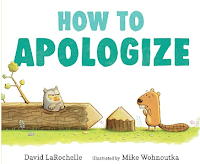
How to Apologize
"How to Apologize" by David LaRochelle is a delightful and insightful picture book that teaches children the importance of making sincere apologies. With humor and heart, LaRochelle provides step-by-step guidance on how to apologize correctly, emphasizing the need for honesty, acknowledging mistakes, and showing genuine remorse. The charming illustrations by Mike Wohnoutka complement the text perfectly, making it an engaging read for young audiences. Through relatable scenarios and practical tips, this book helps children understand that a heartfelt apology can mend relationships and pave the way for forgiveness and understanding.
"Why Should I Say Sorry?" by Rose Hall, illustrated by Lucy Fleming, is a charming children's book that explores the importance of apologies in maintaining friendships and harmony. Through relatable situations and engaging illustrations, the story helps young readers understand when and why they should say sorry. It highlights how apologies can heal feelings, show empathy, and strengthen relationships. The book uses simple language and colorful pictures to make the concept of saying sorry accessible and meaningful for children, encouraging them to practice kindness and consideration in their daily interactions.
"Sorry (Really Sorry)" by Joanna Cotler is a heartwarming and humorous picture book that teaches children the value of genuine apologies and empathy. The story follows Cow, who is in a bad mood and takes it out on Pig. This sets off a chain reaction of grumpiness among the farm animals. Through relatable characters and engaging illustrations, the book shows how a simple, sincere apology can stop the cycle of negativity and restore harmony. With its playful narrative and charming artwork, "Sorry (Really Sorry)" offers an important lesson about the power of saying sorry and the impact of kindness.
The Time Machine: Because it's never too late to apologize
"The Time Machine: Because It's Never Too Late to Apologize" by Pauline David-Sax is a touching and imaginative picture book that explores the timeless importance of making amends. The story follows an inventive young girl who builds a time machine to travel back and fix mistakes she regrets. Along her journey, she learns that while she can't change the past, she can always apologize and make things right in the present. With whimsical illustrations and a heartfelt message, this book teaches children that it's never too late to say sorry and emphasizes the power of forgiveness and personal growth.
"Lilly's Purple Plastic Purse" by Kevin Henkes is a delightful and relatable picture book about a spirited young mouse named Lilly. Lilly loves everything about school, especially her teacher, Mr. Slinger. When she brings her new purple plastic purse, shiny quarters, and fabulous sunglasses to school, she can't wait to show them off. However, her excitement leads to a disruption in class, and Mr. Slinger takes her beloved items away until the end of the day. Upset and angry, Lilly learns a valuable lesson about patience, respect, and making amends. Through charming illustrations and a heartfelt story, this book beautifully captures the ups and downs of childhood emotions and the importance of understanding and forgiveness.
As we embark on the exciting journey of teaching our young learners to read, one of the most crucial
skills we need to focus on is phonemic awareness. This foundational skill is essential for reading success and aligns perfectly with the science of reading, which provides evidence-based strategies to help children become proficient readers. Let's dive into what phonemic awareness is, why it's so important, and how we can effectively teach it to students in grades K-2.
What is Phonemic Awareness?
Phonemic awareness is the ability to hear, identify, and manipulate individual sounds (phonemes) in spoken words. It's a critical component of early literacy and sets the stage for learning to read and spell. Unlike phonics, which deals with the relationship between letters and sounds, phonemic awareness focuses solely on sounds and is entirely auditory.
Why Phonemic Awareness Matters
Research from the science of reading shows that strong phonemic awareness skills are closely linked to reading success. When children develop the ability to hear and manipulate sounds, they build a solid foundation for understanding how letters represent those sounds in written words. This skill supports other reading abilities, such as decoding (sounding out words) and spelling.
Key Phonemic Awareness Skills
For students in grades K-2, there are several important phonemic awareness skills to develop:
Phoneme Isolation: Recognizing and isolating individual sounds in words. For example, identifying the first sound in the word "cat" as /k/.
Phoneme Blending: Combining individual sounds to form words. For instance, blending the sounds /s/, /a/, and /t/ to make the word "sat."
Phoneme Segmentation: Breaking words down into their individual sounds. For example, segmenting the word "dog" into /d/, /o/, and /g/.
Phoneme Manipulation: Adding, deleting, or substituting sounds in words. For instance, changing the /b/ in "bat" to /c/ to make the word "cat."
Fun and Effective Ways to Teach Phonemic Awareness
Here are some engaging activities to support phonemic awareness development in young learners:
Rhyming Games: Play rhyming games where children identify and generate words that rhyme. This helps them recognize and work with sound patterns.
Sound Matching: Use picture cards to have children match objects that start with the same sound. For example, matching a picture of a sun with a sock because they both start with the /s/ sound.
Clapping Out Syllables: Clap your hands for each syllable in a word. For instance, clap twice for "butterfly" (but-ter-fly). This helps children understand how words can be broken down into smaller parts.
Sound Sorting: Provide children with a set of objects or pictures and have them sort them based on their beginning sounds. For example, sorting pictures of a cat, car, and cup under the /k/ sound.
Phoneme Substitution Games: Play games where children change one sound in a word to make a new word. For example, changing the /m/ in "man" to /p/ to make "pan."
Making Phonemic Awareness Fun
Phonemic awareness activities don’t have to be boring! Incorporate games, songs, and interactive activities to make learning enjoyable. Use colorful visuals, playful props, and enthusiastic participation to keep students engaged and excited about learning.
Conclusion
By focusing on phonemic awareness and incorporating the science of reading into our teaching practices, we provide young learners with the essential skills they need for reading success. These foundational skills not only support their ability to decode and spell but also build their confidence and love for reading.
Let's continue to support our students with engaging, evidence-based practices that set them on the path to becoming skilled and passionate readers. Happy teaching!
Every student is unique and brings their own special qualities, talents, and perspectives to the classroom. Recognizing and celebrating these individual differences helps build self-esteem, fosters a supportive classroom environment, and encourages a sense of belonging. Here’s a friendly guide to helping students understand and appreciate their own uniqueness and the special qualities of their peers.
1. Define Individual Uniqueness
Start by explaining that everyone has unique traits, talents, and qualities that make them special. Help students understand that these differences are what make each person valuable and important.
Example Explanation:
"Each of us is special in our own way. We all have different talents, interests, and qualities that make us unique. These differences make our classroom a wonderful place because we can learn from and support each other."
2. Discuss the Value of Diversity
Help students appreciate the value of diversity and how it enriches their learning experience. Explain that different perspectives and talents contribute to a richer and more interesting classroom environment.
Example Discussion:
"Having a diverse group of friends means we get to see things from many different viewpoints. It helps us learn new things and makes our classroom more exciting and creative."
3. Share Stories Celebrating Individuality
Share stories and examples of individuals who have embraced their unique qualities and achieved great things. Use these examples to inspire students and show that being different is something to celebrate.
Example Story:
"Think about how Albert Einstein’s unique way of thinking led to amazing discoveries in science. He embraced his own special qualities and made a huge impact on the world."
BOOK LIST:
We're All Wonders by R.J. Palacio
It is designed to introduce younger readers to the heartwarming story of Auggie Pullman.
Auggie is an extraordinary boy with a unique face, which often makes him feel different from others. Despite his differences, he knows he's just like everyone else on the inside, with hopes, dreams, and feelings. In this beautifully illustrated story, Auggie takes readers on a journey through his world, sharing his experiences of facing challenges and the importance of kindness and acceptance.
Auggie and his loyal dog, Daisy, find solace in imagining a world where everyone can see the wonders within each person, beyond their outward appearances. Through simple yet powerful text and captivating illustrations, "We're All Wonders" delivers a timeless message: it's our differences that make us special, and by choosing kindness, we can make the world a better place.
This touching book encourages empathy, understanding, and self-acceptance, making it a perfect read for children and parents alike. "We're All Wonders" reminds us that everyone is unique and that we should celebrate our differences while treating each other with love and respect.
Twelve-year-old Nova is a passionate space enthusiast who dreams of watching the Space Shuttle Challenger launch. Nova, who is autistic and mostly nonverbal, has been moved through multiple foster homes with her older sister, Bridget, as her steadfast companion. Bridget has always been there to interpret the world for Nova and to promise that better things are coming.
Now, in January 1986, Nova finds herself in yet another new foster home, waiting eagerly for Bridget to come back and watch the Challenger launch together. The sisters made a pact to see this historic event, and Nova is determined to keep the faith despite Bridget's mysterious absence.
As the countdown to the launch begins, Nova tries to navigate her new environment and connect with her foster family. She expresses herself through her vivid internal monologue and letters to Bridget, revealing her thoughts, dreams, and struggles. Nova’s journey is one of hope, resilience, and the power of love and family, even as she faces the reality of her sister's disappearance.
"Planet Earth Is Blue" is a touching and beautifully written story about the bond between sisters, the challenges of growing up with autism, and the wonder of space exploration. Nicole Panteleakos captures the voice of a unique and endearing heroine, making this a heartwarming read for anyone who has ever looked up at the stars and dreamed.
Henry's Freedom Box: A True Story from the Underground Railroad
"Henry's Freedom Box" is a powerful and moving picture book that tells the true story of Henry "Box" Brown, an enslaved man who escaped to freedom in a remarkable way. Henry dreams of freedom from the harsh conditions of slavery and is heartbroken when his family is sold away from him. Determined to find freedom, Henry devises a daring plan: he will mail himself in a wooden crate to the free state of Pennsylvania. With the help of friends, Henry endures a harrowing journey by rail and ship, confined in the cramped box for hours.
Illustrated by Kadir Nelson with stunning, evocative artwork, "Henry's Freedom Box" captures the incredible resilience and courage of one man’s quest for liberty. This story serves as a poignant reminder of the strength of the human spirit and the enduring fight for freedom.
The World Needs More Purple People by Kristen Bell (Author), Benjamin Hart (Author), Daniel Wiseman (Illustrator)
"The World Needs More Purple People" is a delightful and engaging picture book that encourages children to embrace the qualities that unite us all. Through the whimsical character of Penny Purple, readers learn what it means to be a "purple person." Purple people ask great questions, laugh a lot, use their voices to speak up, work hard, and help others.
With vibrant illustrations and a heartwarming message, this book celebrates individuality, kindness, and community. It inspires young readers to be themselves while finding common ground with others, fostering a sense of togetherness and understanding. "The World Needs More Purple People" is a fun and meaningful read that shows how we can all contribute to making the world a better place.
"What If We Were All The Same!" is a charming and thought-provoking picture book that explores the beauty of diversity and individuality. Through vibrant illustrations and engaging rhymes, the book imagines a world where everyone looks, thinks, and acts the same. It quickly becomes clear that such a world would be quite dull.
By celebrating differences in appearance, abilities, and perspectives, "What If We Were All The Same!" encourages young readers to appreciate what makes each person unique. This delightful story fosters a sense of acceptance, empathy, and understanding, making it an excellent read for children and parents alike.
Seventh-grader Ross Maloy is trying to navigate the usual middle school challenges when he receives unexpected and life-changing news: he has a rare form of eye cancer. Suddenly, Ross finds himself juggling hospital visits, radiation treatments, and the side effects that come with them. He becomes known as "the cancer kid" at school, a label he desperately wants to shed.
As he deals with the physical and emotional toll of his illness, Ross finds solace in unexpected places. He discovers a love for drawing and creates a comic strip that helps him express his feelings and fears. Ross also finds support in the form of new friendships, a quirky teacher who encourages his artistic talents, and the power of music when he starts learning to play the guitar.
"Wink" is a poignant, humorous, and uplifting story about resilience, the importance of finding your voice, and the unexpected ways that life can surprise you. Through Ross's journey, Rob Harrell explores themes of identity, friendship, and the struggles and triumphs that come with facing a serious illness.
Foster a classroom environment where students feel valued and appreciated for who they are. Encourage a culture of respect, kindness, and celebration of each person’s unique qualities.
Example Approach:
"Let’s make sure everyone feels valued for who they are. We can show appreciation by sharing what we admire about each other and by supporting one another’s talents and interests."
5. Encourage Self-Expression
Provide opportunities for students to express their unique qualities and talents. This could be through presentations, creative projects, or sharing their hobbies and interests with the class.
Example Activity:
Show and Tell: "Have students bring in something that represents their unique interests or talents and share it with the class. This helps everyone learn more about each other’s special qualities."
6. Celebrate Individual Achievements
Recognize and celebrate individual achievements and contributions. Focus on each student’s strengths and the positive impact they have on the classroom.
Example Celebration:
"Let’s celebrate how [Student’s Name] used their talent for drawing to create an amazing poster for our classroom. Their unique skills help make our class a better place."
7. Encourage Peer Appreciation
Teach students to appreciate and acknowledge the special qualities of their peers. Create activities that encourage them to share positive feedback and celebrate each other’s uniqueness.
Example Activity:
Compliment Circle: "Have students sit in a circle and take turns giving compliments or sharing something they appreciate about their classmates. This helps build a supportive and appreciative classroom environment."
8. Address and Challenge Negative Self-Perceptions
Help students address and challenge any negative self-perceptions or feelings of inadequacy. Encourage them to see their unique qualities as strengths and valuable contributions.
Example Strategy:
"Talk with students about how everyone has strengths and areas where they can improve. Help them see that their unique qualities are important and valuable."
9. Involve Families in Celebrating Individuality
Share strategies with families for supporting and celebrating their child’s unique qualities at home. Encourage them to reinforce the importance of individuality and self-acceptance.
Tips for Families:
Celebrate Uniqueness: "Encourage your children to embrace their special qualities and talents. Celebrate their achievements and interests to help them feel valued."
Positive Reinforcement: "Provide positive reinforcement and support for your child’s unique interests and strengths. Help them see how their individuality contributes to their success and happiness."
10. Reflect on the Importance of Being Special
Encourage students to reflect on what makes them special and how their unique qualities contribute to the classroom community. Discuss how embracing their individuality helps them grow and succeed.
Example Reflection:
"Think about what makes you special and how your unique qualities help our classroom. How does it feel to be appreciated for who you are? Reflecting on our special qualities helps us understand and value ourselves and others."
By teaching students to embrace their own uniqueness and appreciate the special qualities of their peers, you help create a classroom environment where everyone feels valued and supported. Celebrating individuality fosters self-esteem, encourages positive relationships, and enriches the learning experience for everyone.
For more ideas and resources on celebrating individuality and other important character traits, visit my blog, Lanie’s Little Learners, where I share creative, hands-on activities that support active learning and character development. Let’s work together to create a classroom where everyone’s special qualities are celebrated and cherished.